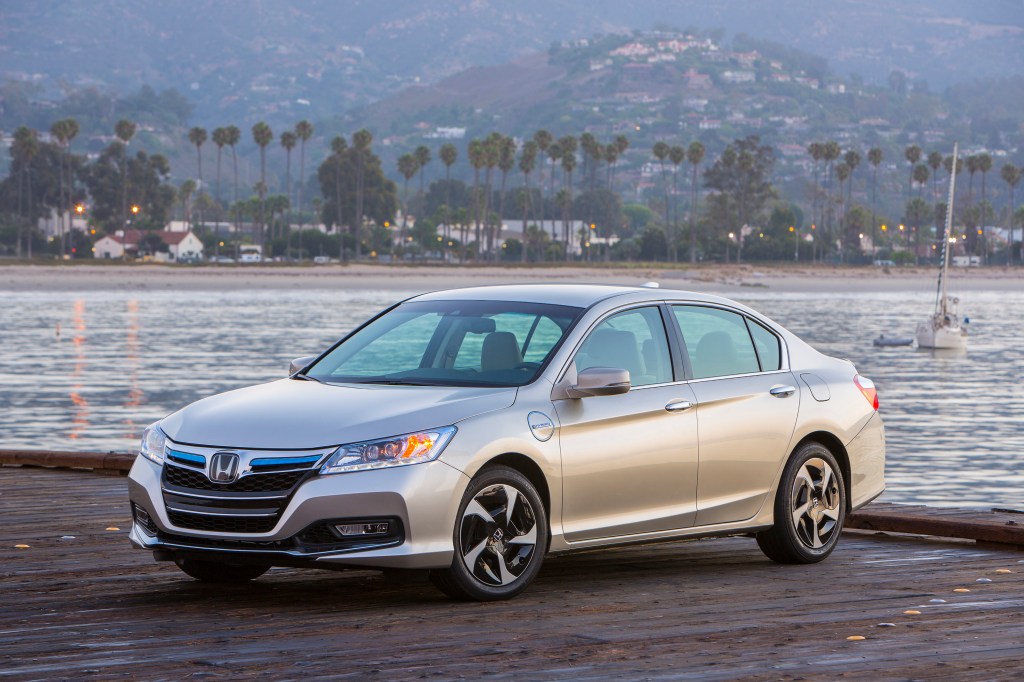
Brands like Hyundai, Honda and Ford used to have plug-in hybrid family sedans. Today the segment is basically dead.
I’m of the opinion that many automakers shouldn’t have dove head first into the EV pool so quickly without giving plug-in hybrids a chance. They’re a great bridge to full-on electrification. For a time, automakers like Chevy and its groundbreaking Volt made it seem as if plug-in hybrids were the future. But not everyone wanted a compact plug-in sedan. So some automakers introduced plug-in hybrids in the once lucrative mid-size family sedan segment. Ford, Honda Hyundai and Kia were the main ones to introduce models in this segment that sadly, doesn’t exist anymore unless you’re willing to spend over $60,000 or you want a crossover.

Ford was first up with the Fusion Energi that debuted for the 2013 model year. Ford took the existing Fusion Hybrid and dropped in a 7.6-kWh battery pack (that ate up a lot of trunk space) and combined that with its 2.0-liter I4, a CVT and a 118-hp traction motor. The result was a total combined output of 188 horsepower, 20 miles of electric range and the ability to drive up to 85 mph on electric power alone. And with a starting price of $39,495 it was $500 cheaper than the Chevy Volt at the time; a $3,751 tax credit also helped bring the price down even more.
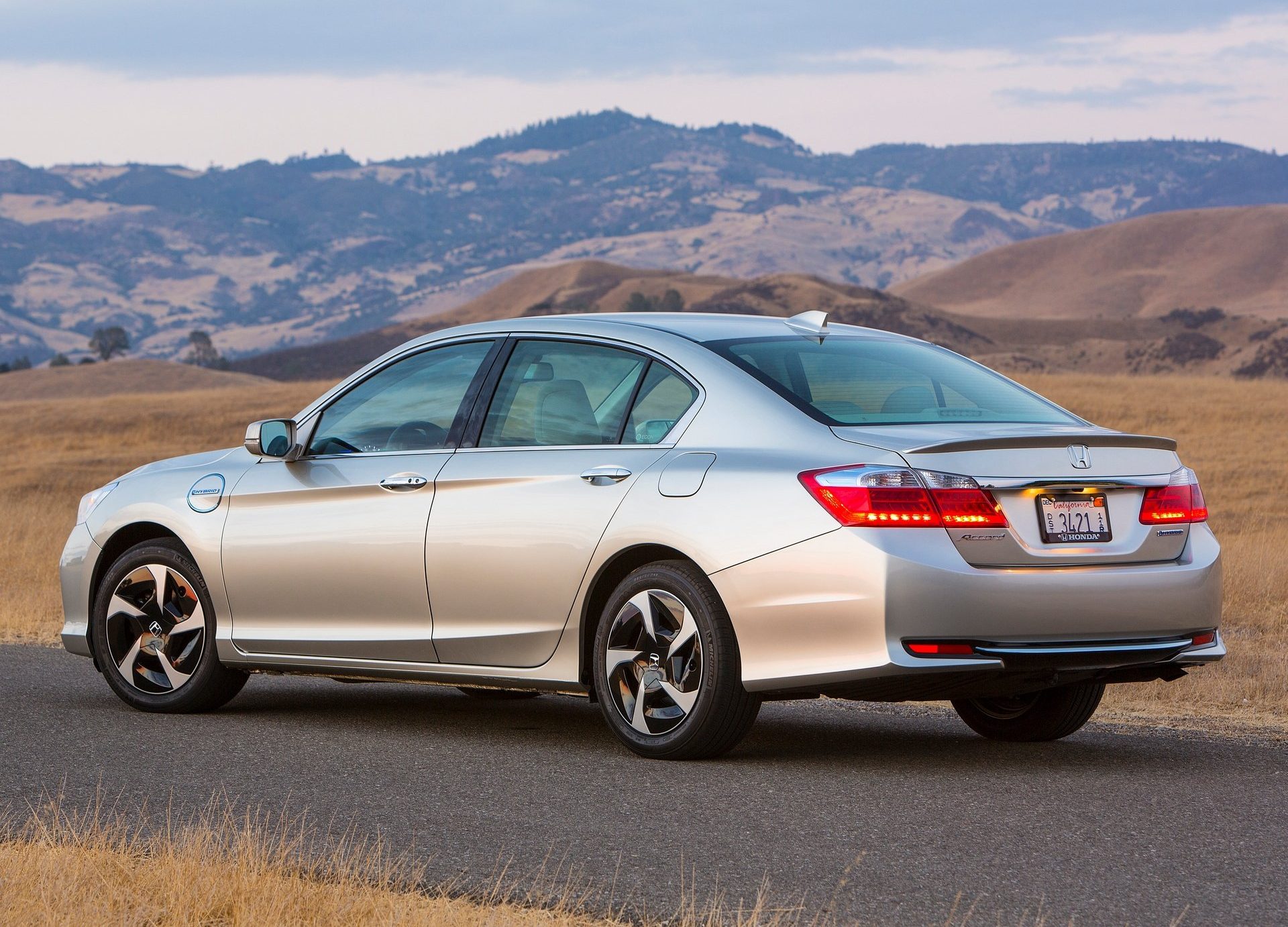
Honda followed suit with its own plug-in hybrid mid-size sedan based on the 9th generation Accord. First shown at the 2012 North American International Auto Show, the Accord Plug-In went on sale for the 2013 model year. The Accord Plug-In’s powertrain setup was similar to Ford’s. Honda paired its Earth Dreams 2.0-liter I4 with dual electric motors, and 6.7-kWh battery. The result was what Honda claimed was the most fuel efficient sedan in America. It had an all electric driving range of 18 miles and when operating as a normal hybrid, it delivered 42 mpg on the highway. Charging was ok for the time too with a 110-volt outlet able to replenish the battery in a little less than 3 hours while a 240-volt charger took less than an hour. All this tech cost you at the dealer though as it was pricier than its competitors at $40,570 though it was eligible for a $3,636 tax credit.

Hyundai was next to join the plug-in hybrid midsize segment with the seventh generation of the Sonata. Hyundai showed the Sonata PHEV at the 2015 North American International Auto Show before it went on sale that November. Mechanically, the Sonata PHEV was nearly identical to the Sonata Hybrid as it was powered by the same 2.0-liter 154 horsepower I4. The difference was a bigger electric motor and a battery pack. The Sonata PHEV gained a 61 horsepower electric motor that was integrated into its six-speed automatic transmission and a 9.8 kWh battery pack. The result was 202 total system horsepower and 27 miles of all electric driving range, besting both the Accord and Fusion PHEVs. Pricing for the Sonata Hybrid started at just over $35,000 with loaded versions coming in at just under $40,000.
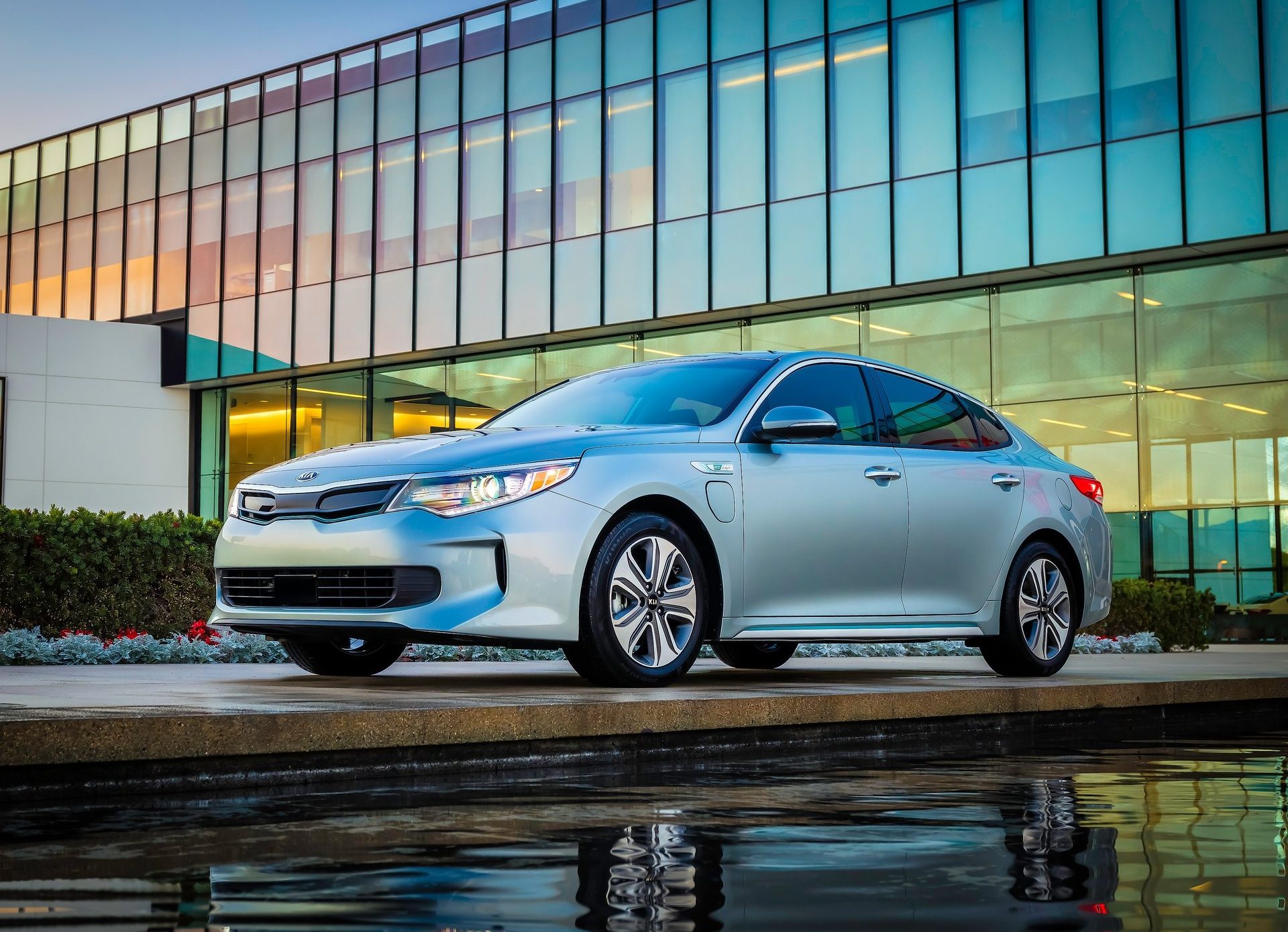
Kia followed Hyundai with the Optima PHEV in 2016. The Optima PHEV was mechanically identical to the Sonata PHEV though it had a lower drag coefficient thanks to features like active grille shutters. This helped it to achieve 2 extra miles of electric driving range vs the Sonata PHEV. Loaded out it was also slightly pricer than the Sonata PHEV at just over $41,000 though tax credits helped with the price.
So what happened to all these PHEV offerings that didn’t exactly break the bank? Each of their respective automakers basically threw in the towel on the segment. The Fusion Energi was the longest lived of all these offerings lasting seven years before Ford decided to stop making anything (save for the Mustang) that wasn’t a truck, SUV or crossover. The Fusion Energi was discontinued with the entire Fusion line in 2020. Today you’re out of luck if you want something similar from Ford. The brand’s sole PHEV offering is the Escape Plug-In Hybrid.
The Honda Accord Plug-In might be one of the rarest Honda’s ever made. It lasted just one year before Honda discontinued it. It didn’t help that it was only initially available at select Honda dealers in New York and California. Ultimately handfuls were sold as buyers just didn’t show up for it. By the time it was discontinued in mid 2015, just over 1,000 had ever been sold with just 15 having left dealers in the first quarter of that year. It seems as if the regular Accord Hybrid overshadowed it. Honda also wanted to focus its efforts on the Clarity PHEV, which was set to debut the following year. While Honda has hybrids and EVs in its lineup today, you’re out of luck if you want a PHEV from the brand. Honda hasn’t had a plug-in in its lineup since it discontinued the Clarity in 2021.
The Hyundai Sonata PHEV lasted just 3 years and a substantial refresh before it was axed in 2019. The Sonata PHEV could have continued when the Sonata was heavily redesigned for 2020, but Hyundai decided against it. The brand didn’t ever really offer a reason as to why it got rid of the Sonata PHEV, just saying that more plug-in models would come soon; this was in 2020. Today Hyundai offers both hybrid and EV models, but just one plug-in in the Tucson PHEV. While Hyundai dropped the Sonata PHEV but kept the hybrid in its redesign, Hyundai’s corporate cousin took a slightly different approach. When the Optima became the K5 in 2020, Kia dropped both the plug-in and the hybrid. Today, you’re out of luck if you want your hybrid to be a sedan as all of the brand’s hybrid and EV offerings are crossovers. There’s also two models of plug-ins to choose from in the Niro and Sportage. But like the hybrid and EVs, both are crossovers.
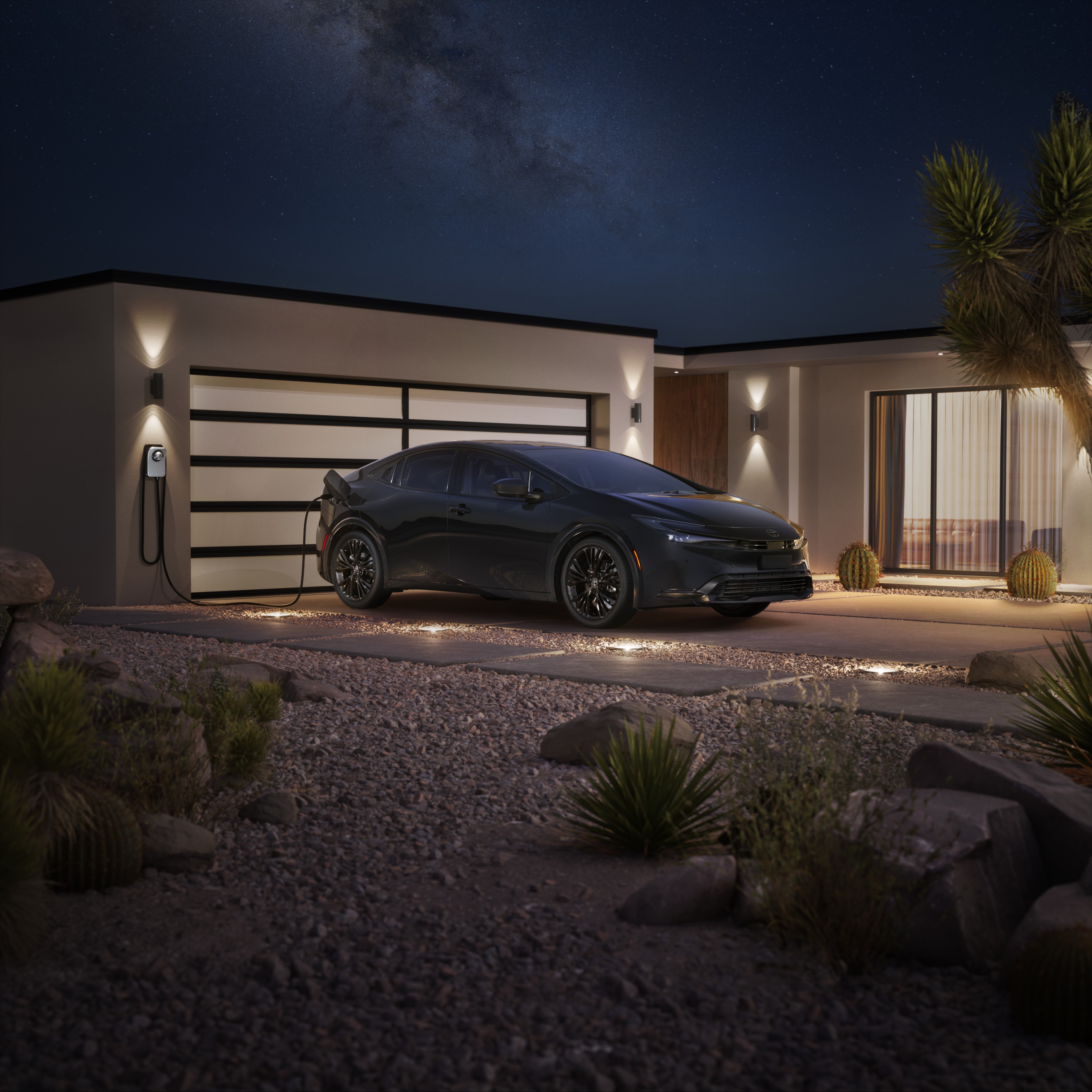
As for the rest of the mid-size family sedan plug-in segment, it basically doesn’t exist today. This isn’t to say that there aren’t plug-in hybrid sedans. There are, they’re just all expensive as hell. The sole outlier is the Toyota Prius Prime, which starts at (excluding destination charges) $33,375. You also better like crossovers and SUVs, because out of the 41 plug-in models currently on sale, just eight of them are sedans. And they all have an average price (excluding the Prius Prime) over $100,000. The cheapest was the Volvo S60 which started just under $44,000, but it’s done after the 2025 model year. The honor for the next cheapest plug-in falls to the S60’s slightly bigger brother, the Volvo V90 and its $59,495 starting price. Other offerings include the BMW 550e, M5 and 750e, the Mercedes S580e and a handful of AMG e Performance PHEVs and the Bentley Flying Spur PHEV.
So will we ever see plug-in hybrids in the sub $40,000 and $50,000 midsize sedan segment again? It’s doubtful. Naysayers like to scream that the sedan segment is shrinking, and that’s true to a certain point. But when all automakers are focusing on making crossovers, that’s what people are going to buy. And sedans aren’t dead yet. Hyundai still sold nearly 70,000 Sonata’s last year for instance, and that was a 161% increase over 2023. But sadly, between crossovers selling like hotcakes and automakers reluctance to actually make an EV or plug-in that’s actually affordable, it looks like Toyota might continue to be the sole automaker that’s making a plug-in hybrid sedan that people can actually afford to buy.
 Daily Revs
Leave a comment