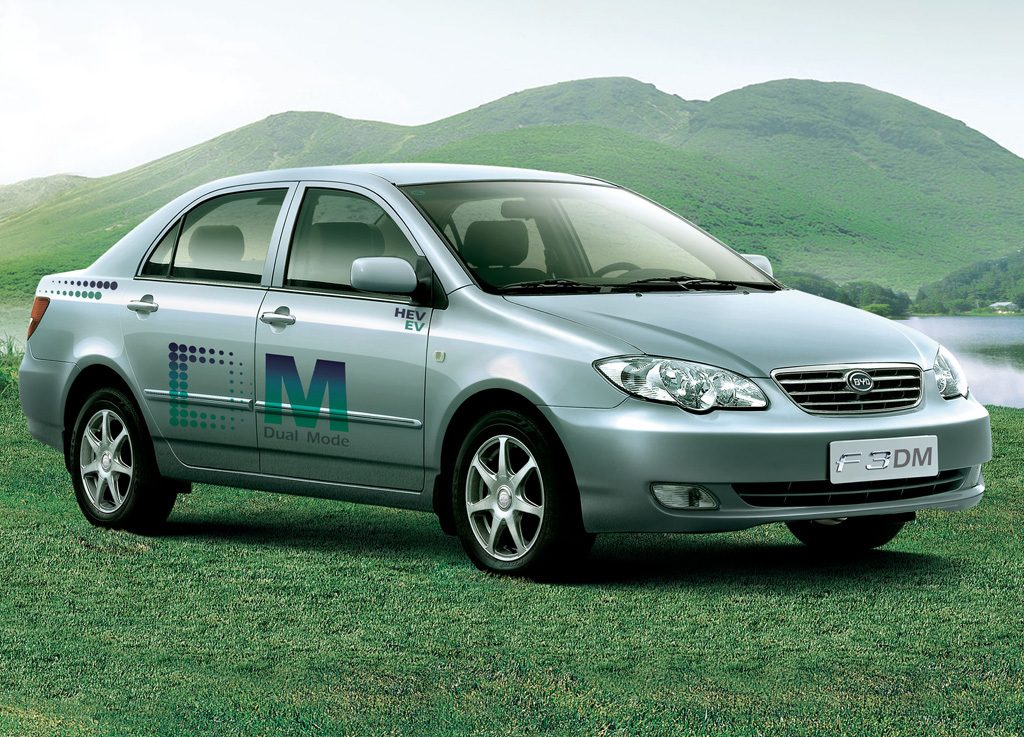
China’s BYD tested the waters of U.S. sales in 2011 by leasing a few hundred of one of its first PHEVs to LA’s housing authority.
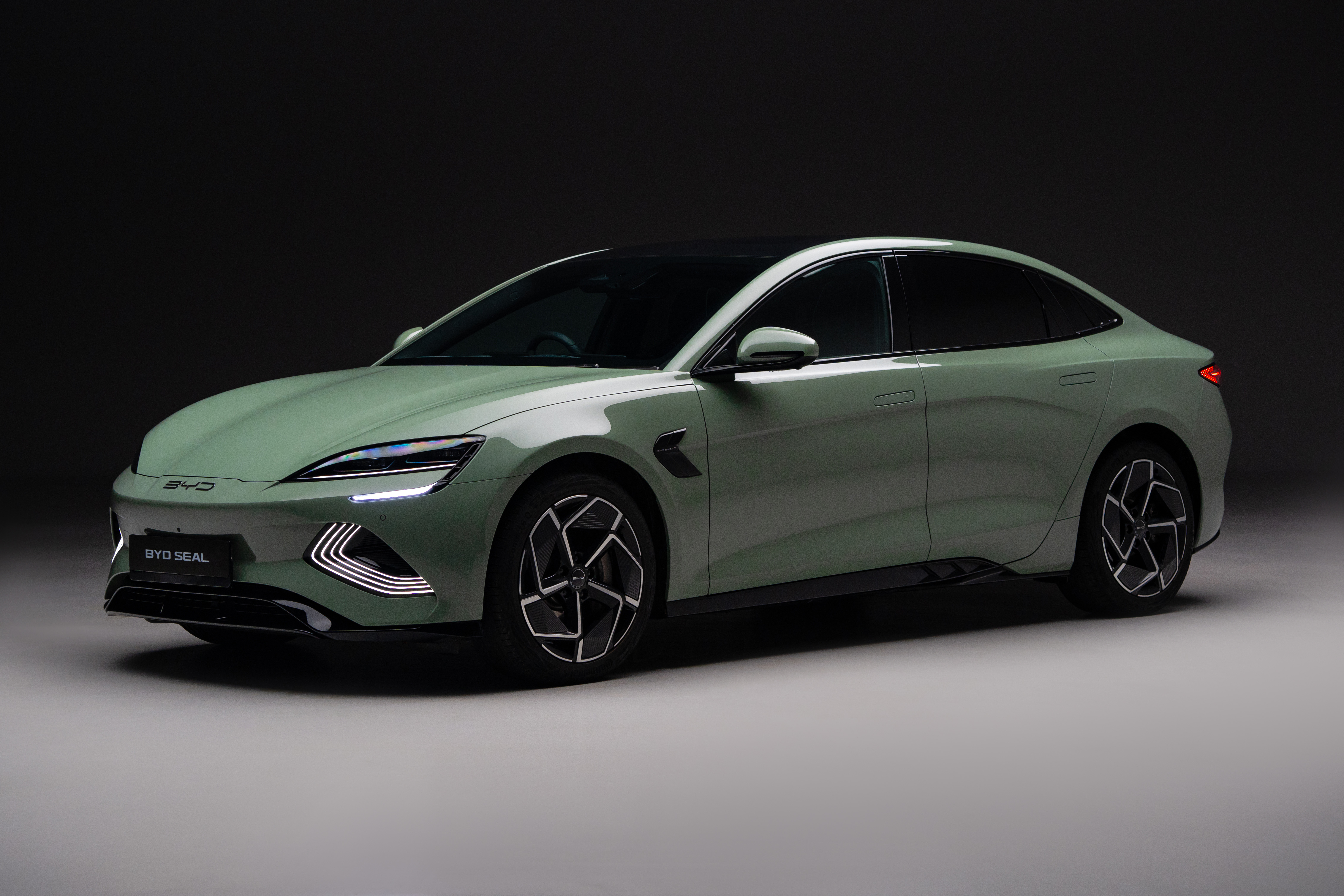
BYD seems to be the poster child of how EVs are performing in the rest of the world right now, particularly the brand’s home country of China. Frankly, BYD has been killing it in EV sales. Reports say that BYD plans to sell over 5 million cars this year and it could very well do that; over 4 million were sold in 2024. Sales are so massive at BYD that it’s now the 4th largest automaker in the world, overtaking Ford. This has even seemed to spook Ford CEO Jim Farley. Speaking to media recently Farley said his recent experience of what BYD has been doing was the “most humbling experience” of his career. He continued, saying “Their cost, their quality of their vehicles is far superior to what I see in the west.” Not bad for a brand that’s been around just over 20 years.
While what BYD has been doing with EVs has everyone from the media to industry analysts and U.S. automakers scrambling, many keep wondering what will happen if or when BYD enters the U.S. market. It doesn’t seem as if that will be happening anytime soon. But the brand did try to sell cars on our shores just over a decade ago now.
Back in the late 2000s, BYD was still a young automaker. And when I say automaker, I use that term loosely. At the time, their cars were either rebadges of Japanese (specifically Toyota) models, cheaply made models of its own design or models that had designs that were obviously copied from western automakers; if you want to see what I mean just Google “BYD F8” and see for yourself. Despite these low effort cars, the automaker was ahead of the curve when it came to powertrain tech; BYD was the world’s first automaker to bring a plug-in hybrid to market for instance. Being ahead of the powertrain curve came naturally for BYD as the brand was – and still is – one of the largest manufacturers of rechargeable batteries. This knowhow came together with the automaker’s Fe battery powertrain system. One of the models this system was used in was the BYD F3DM.
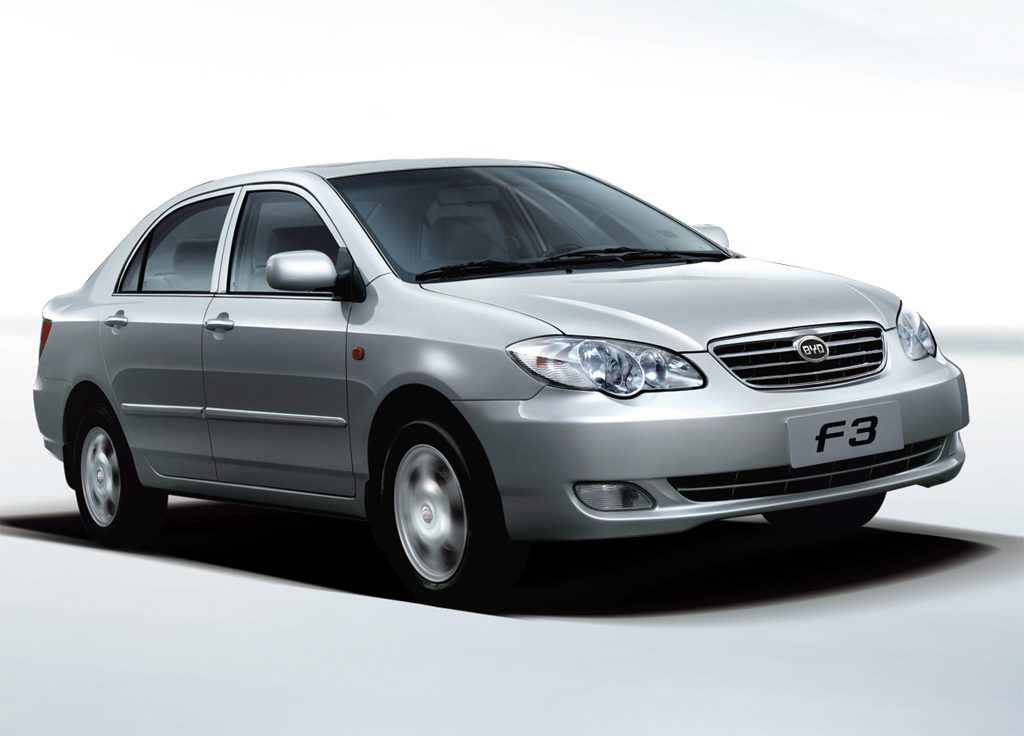
The standard F3 was nothing special. In fact, outside of the powertrain and slightly different head and tail lights, the F3 was basically a badge engineered, 9th generation Toyota Corolla. The special bits were under the F3DM’s skin. BYD’s “Fe” powertrain system in the F3DM consisted of a 1.0-liter 50 horsepower I3 engine, dual electric motors (25 and 50 horsepower respectively) and a 16 kWh battery. Total system horsepower was 125. BYD must have been aware that this power rating wasn’t that impressive, so the automaker would tell the motoring press that the power rating was equivalent to a 2.5-liter I4.
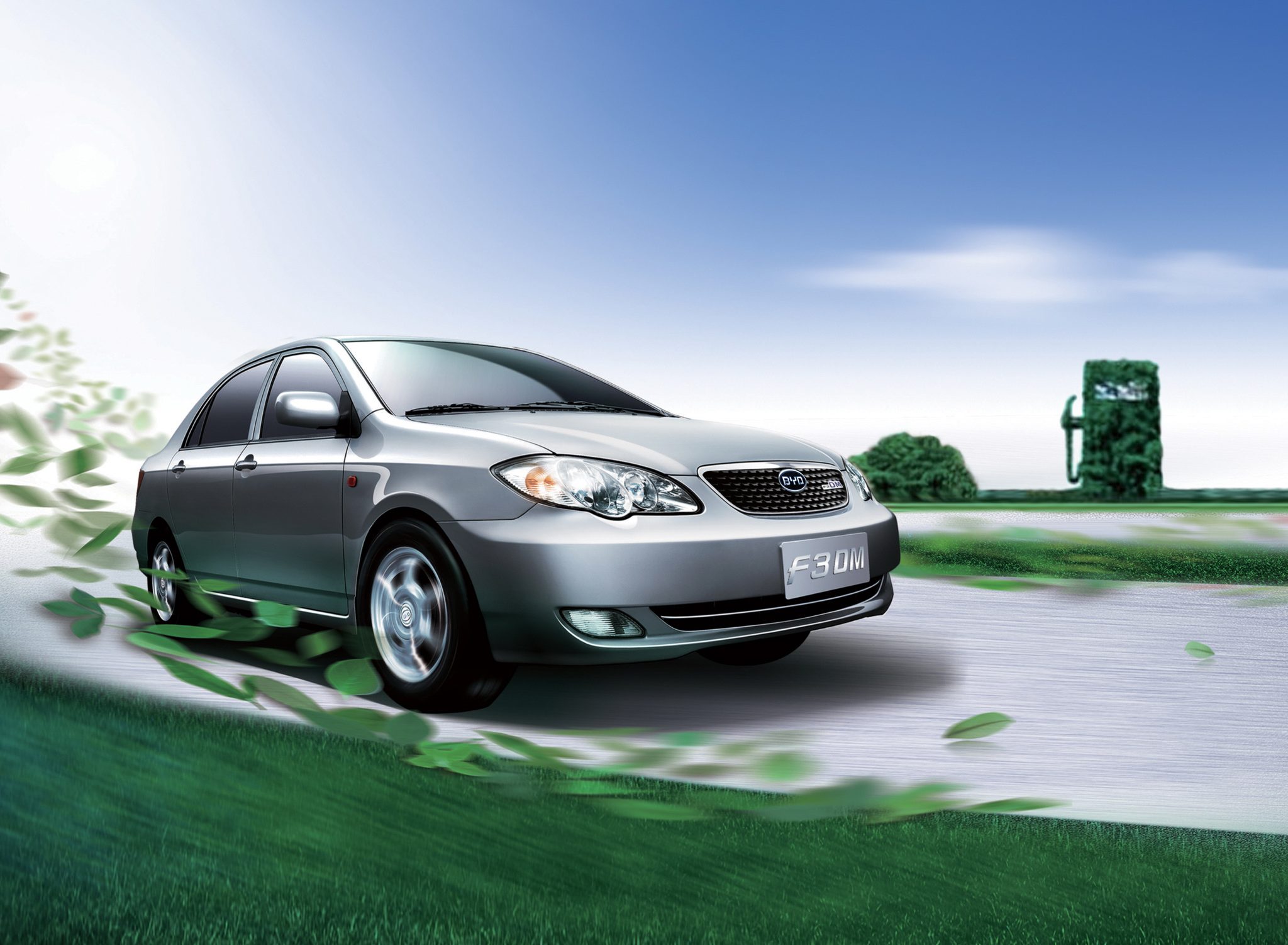
Range ratings for the F3DM were impressive at the time and come close to or best PHEVs on sale today, at least according to BYD. The automaker claimed that in EV mode, the F3DM had 60 miles of range; operating as a hybrid, the total combined driving range was 360 miles. There was a catch though with the F3DM’s EV driving range. BYD says that the range rating was on the assumption that the F3DM would be traveling at a constant speed of 31 mph meaning real world range estimates were likely close to if not over 50 percent lower. Charging was ok though. A standard 110-volt home outlet would replenish the batteries in 10 hours. BYD said a fast charger would get the batteries to 50 percent in 10 minutes. But like the EV range estimates, this was BYD talking out of its ass; the automaker didn’t say just how the F3DM could be charged with a fast charger which were hard to come by at the time. And to take a load off the batteries, a solar panel built into the roof provided power for the F3DM’s accessories. Performance was less impressive. The added weight of the batteries and electric motors meant the F3DM’s 125 horses were taxed with more weight. BYD estimated that the F3 would hit 60 mph in 10.5 seconds before topping out at just 93 mph.
Sales of the F3DM started in China in December 2008. Wanting to get into the US market, BYD didn’t exactly just jump into selling cars in the States. Instead, BYD dipped its toe into the waters of US sales by doing a pilot program in a single city. In December 2010, BYD announced that it was launching a testing program with the city of Los Angeles’ Housing Authority. BYD gave a small fleet of 10 F3DMs to the housing authority who then leased them for $400 per month. BYD’s VP of American Operations at the time Michael Austin said that the F3DM’s ability to operate as a full on EV or hybrid addressed any range anxiety concerns people might have. “The BYD ‘Dual-Mode’ vehicles resolve any ‘range anxiety’ that consumers might have driving an all-electric vehicle. The F3DM can be treated as an all-electric because gasoline is never required – users can drive all-electric all the time,” he said in a statement at the time.
To keep costs down, all the cars came with on-board chargers which meant that the housing authority only had to install 220-volt outlets in its fleet parking areas. By March 2011, the program had been going for just a few months. Data gathered from the program showed that the housing authority’s fleet had amassed 14,430 miles; 10,430 of those miles were on all-electric driving with just 4,000 miles being used with the range extender. Data also showed the F3 was getting the equivalent of 88 mpg with per car energy and cost savings of 70 percent. The program was a success.
BYD was riding high, so high that the company signed a deal with LA to open its North American headquarters in the city. The company was able to secure $22 million in grants from the city with the promise of jobs; this was the Great Recession after all and the region’s unemployment rate was around 12 percent at the time. BYD said its offices would be open by the end of 2010 with the goal to have 150 employees. By late 2011, 20 employees were in the office with the plan to have 30 more by the end of the year; the company said another 100 would be hired on by the end of 2012. BYD also announced that it was planning to announce the locations of its first US dealerships around the same time. The plan was to have dealers not only sell BYD vehicles, but also offer and sell the whole range of BYD energy products, from solar panels to energy storage systems and vehicle chargers.
But getting US sales off the ground proved to be more of an uphill battle than BYD was prepared for. In China, BYD’s gas powered cars weren’t selling so well, and new energy investments weren’t booming the way the company had hoped. The Chinese government had estimated that BYD would sell half a million “new energy vehicles “ by 2011. Instead just over 8,000 had been sold. BYD began to take a second look at expanding its US operations as it realized that it had to also fight American consumer sentiment against made in China products, which is kind of ironic when you really think about it. So BYD switched gears and decided not to sell cars in the US and instead focused its efforts on electric buses. While the company has made and sold buses in the US now for years, its bus building and selling business has been its own drama-filled ordeal.
With BYD now one of the top producing EV automakers in the world, it sort of makes you wonder if BYD or any other Chinese auto manufacturer will ever sell their cars in the US. But given the boogeyman that the US government makes the Chinese out to be, combined with slowing EV sales and the ending of the federal EV tax credit, it’s looking increasingly likely that we won’t ever see BYD or any other Chinese EV on American roads.
 Daily Revs
Leave a comment