
Three days and over 1,200 miles of driving showed me just how great a Subaru with way more capability than any one owner would need can be
There was a time that I didn’t quite understand Subaru owners. As loyal as Volvo owners for vehicles that have sometimes been as quirky as a Saab, these people either kept the cars they bought for years or they bought newer versions of the same model. I never understood it. That is until Subaru decided to lend me an Outback Wilderness for a week. And like the tagline says, I finally understood what makes a Subaru a Subaru.
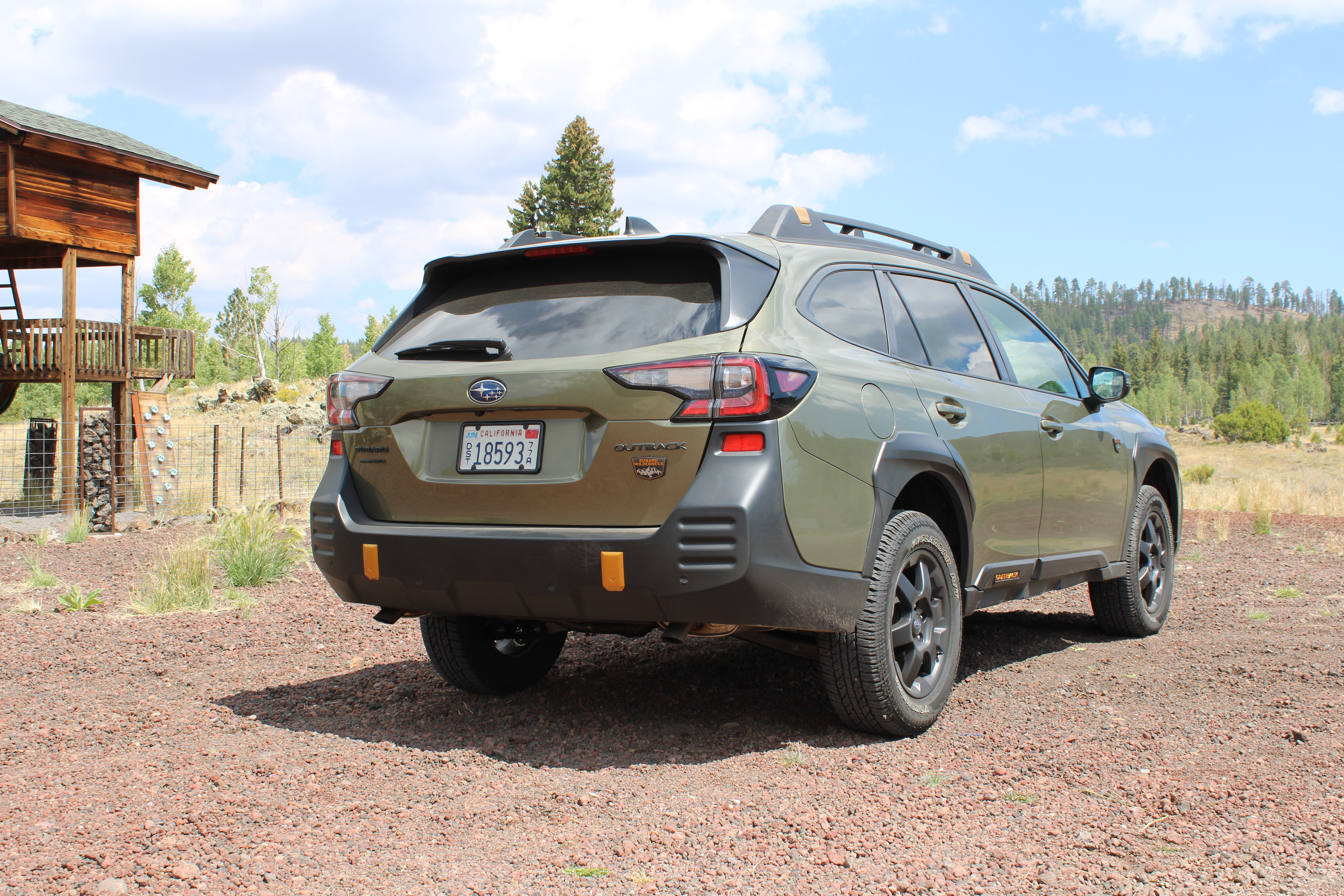
The Outback has been a staple in Subaru’s lineup since the early 1990s. Facing slumping sales and not enough money to develop a model from the ground up, Subaru did something that’s still being done today: it rugged-ized a wagon. Using the Legacy Wagon as a basis, its ride height was raised and body cladding was thrown on to create what was originally known as the Legacy Outback. It was a sales success, with Subaru of America’s Vice President at the time remarking that the Outback literally saved the company. Now on its 6th generation – with an all-new 7th generation coming for 2026 – the Outback now leans more towards a crossover than its Legacy underpinnings would suggest. For 2022, Subaru got in on the outdoorsy/off-roading trend with a new trim called Wilderness. At Subaru, Wilderness is the pinnacle of the brand’s off-road capability.
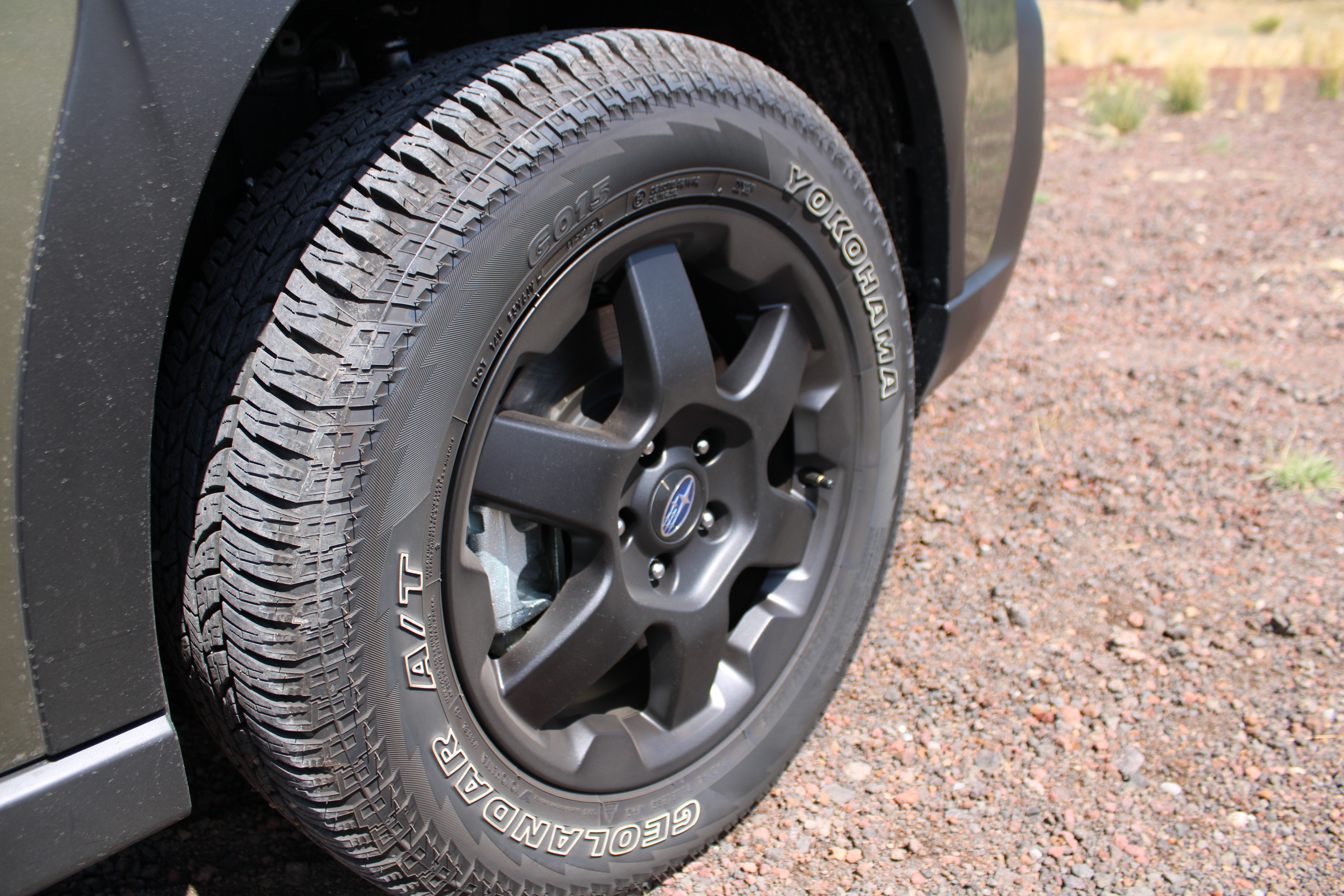
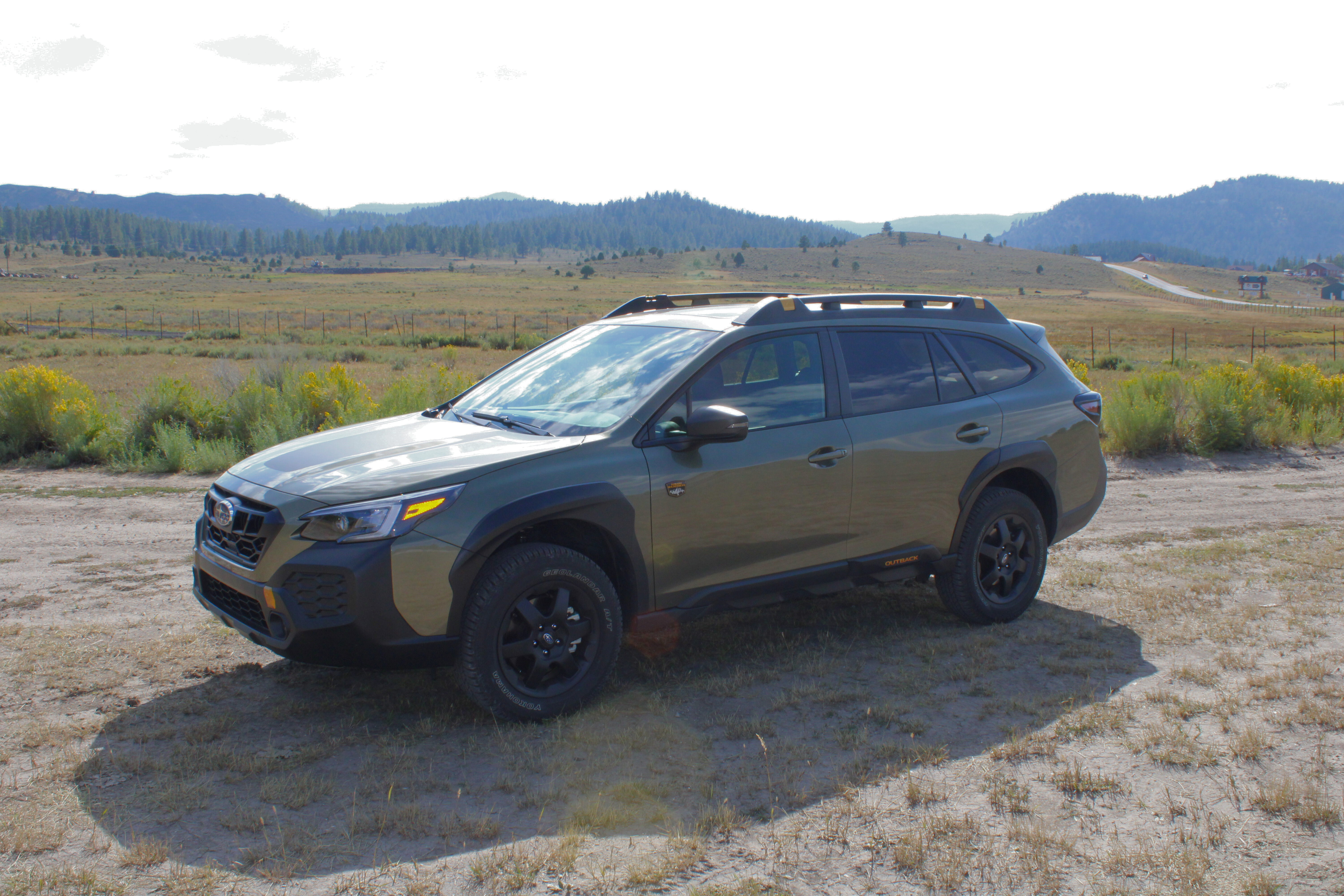
On the Outback (Wilderness trims are also available on the Crosstrek and Forester) there’s 9.5-inches of ground clearance (vs 8.7-inches on the regular Outback), Yokohama Geolandar all-terrain tires wrapped around 17-inch wheels that look like factory TEs, reinforced roof rails, a matte black anti glare hood decal and Anodized Copper-finish accents.
Inside there’s water-repellent seat upholstery, more copper accents and rugged floor-mats you can hose out. None of this really breaks the bank either. Sort of. Including destination charges, pricing for the Outback Wilderness starts at $43,130. With an $1,845 option package that included things like a moonroof and reverse auto braking, my green Outback Wilderness tester rang in at $44,975.
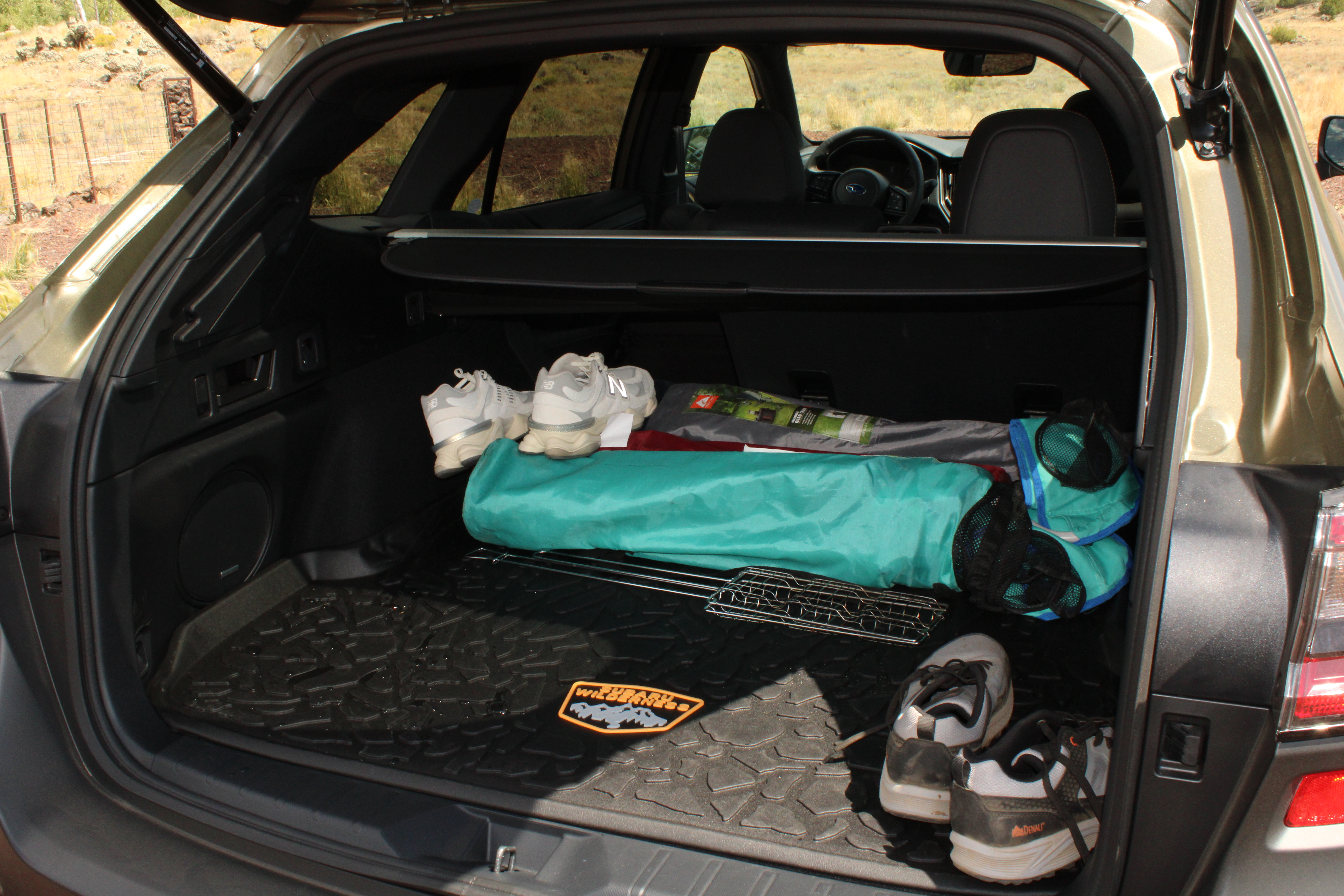
So just how did the Outback Wilderness hold up over 1,200 miles of driving? Pretty damn great actually. Our eventual destination was Panguitch,Utah. But rather than drive the 7+ hours straight there, we drove from Southern California to Las Vegas for an overnight break at a family member’s house. Loading up the Outback for Utah proved to be pretty easy. With the rear seats up we had 32.6 cubic feet of cargo space to play with. But after loading a few things like foldable chairs and coolers, things started to get a little tight. Luckily folding one side of the 60/40 split rear seat opened some of the available 75.6 cubic feet of cargo space.
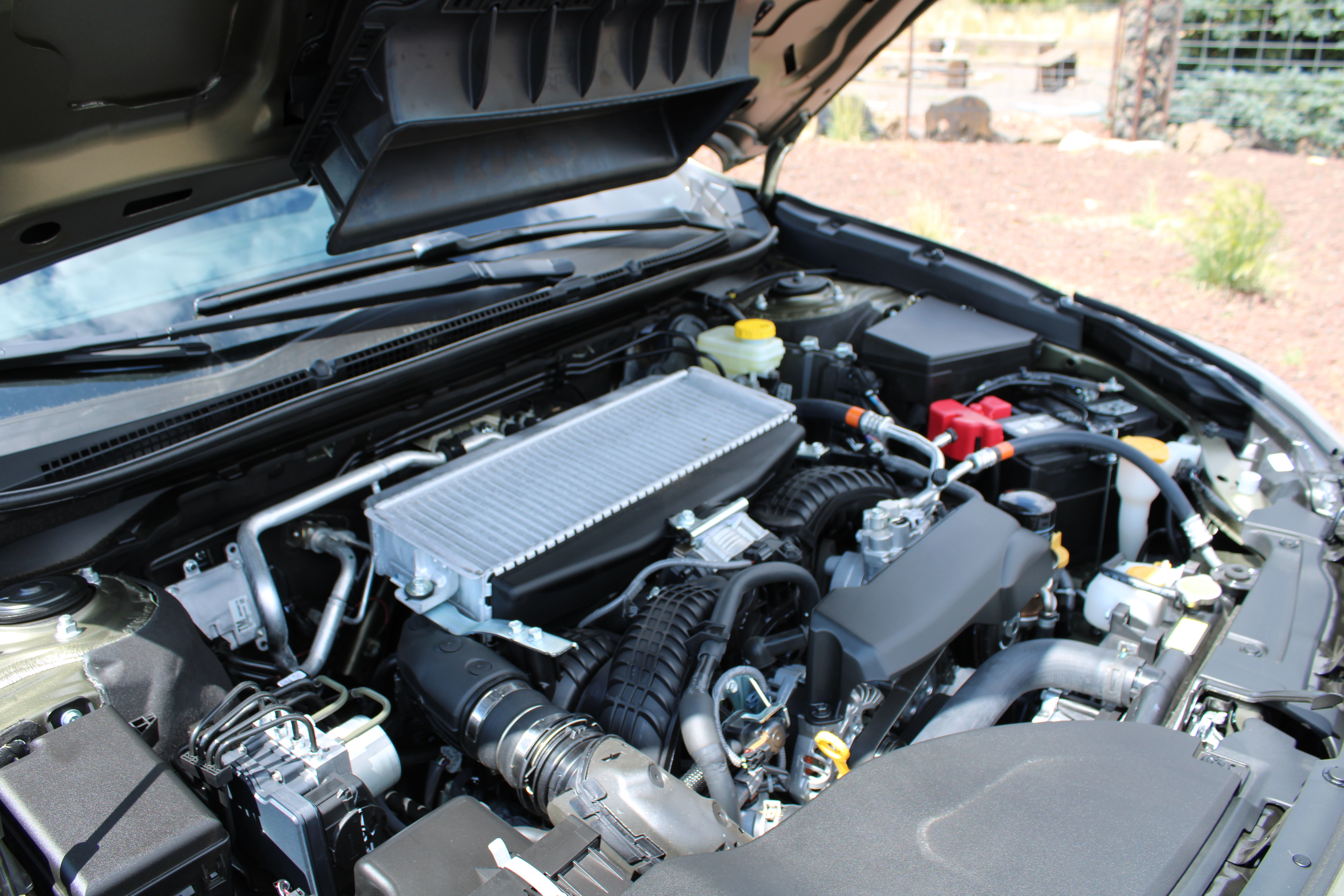
Heading out on the long 15, the Outback Wilderness soaked up the couple hundred miles to Vegas with ease. Subaru was brilliant in how it managed to make a wagon with all-terrain tires and a slightly raised suspension ride so smoothly. I would even go so far as to call the ride luxury car-like. Bumps and road imperfections were soaked up with ease and there was nearly no road noise from those Geolandars. One thing that doesn’t get mentioned often enough when talking about Subarus is their weirdly poor gas mileage. The Outback Wilderness is no exception. Power for the Outback Wilderness comes from a 2.4-liter turbocharged flat-four with 260 horsepower and 277 lb-ft of torque. That gets routed to a full time four-wheel drive system and Subaru’s Lineartronic CVT. Subaru and the EPA says that the Outback Wilderness is rated to get 21 mpg city/26 mpg highway/23 mpg combined. I barely met those numbers, at least on the highway. During the first couple hundred miles to Vegas, the Outback Wilderness struggled to crack 22 mpg. Around town, mileage dropped to a V8 like 15-16 mpg. Mind you, nothing was wrong with this car. It was basically brand new with less than a thousand miles on the clock when it was dropped off to me. That poor mileage is just the nature of the combination of the flat-four, a raised ride height and those all-terrain tires I suppose.
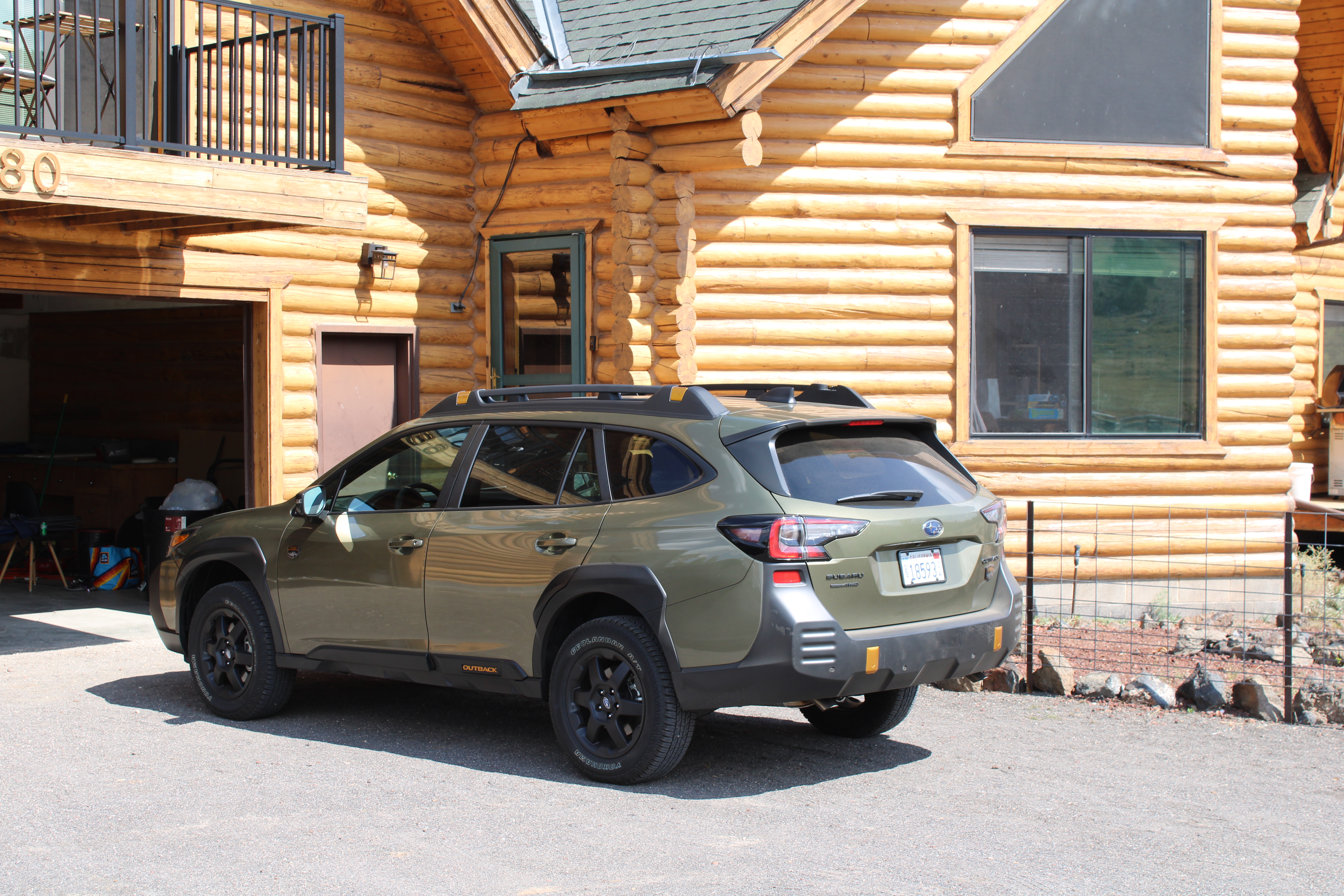
After another few hundred miles of driving, we finally made it to Panguitch. The Outback Wilderness was really in its element. It handled the trek up nearly 9,000 feet to our cabin with ease, the turbocharged engine’s 277 lb-ft of torque making things like passing a breeze. Once we made it to the cabin, unloaded the car and got some rest, it was time to explore and take the Outback on some light trails in the area.
Subaru equipped the Outback Wilderness with a dual mode version of its X-Mode drive modes. The Snow/Dirt mode is for slippery conditions and helps to minimize wheelspin; Deep Snow/Mud lets the all-wheel drive system spin the wheels a bit more to prevent the car from getting stuck. The system can also automatically detect a downward slope, and engage hill descent control. It all works really well. Once, through a road that had some mud that was drying – meaning it was still pretty thick but not mud-like – it handled it with ease with almost no wheel slippage. Gravel was no issue either. Combine that with pretty decent approach, breakover and departure angles (20, 21.2 and 23.6 degrees respectively) and there’s way more capability here than anyone would ever need.
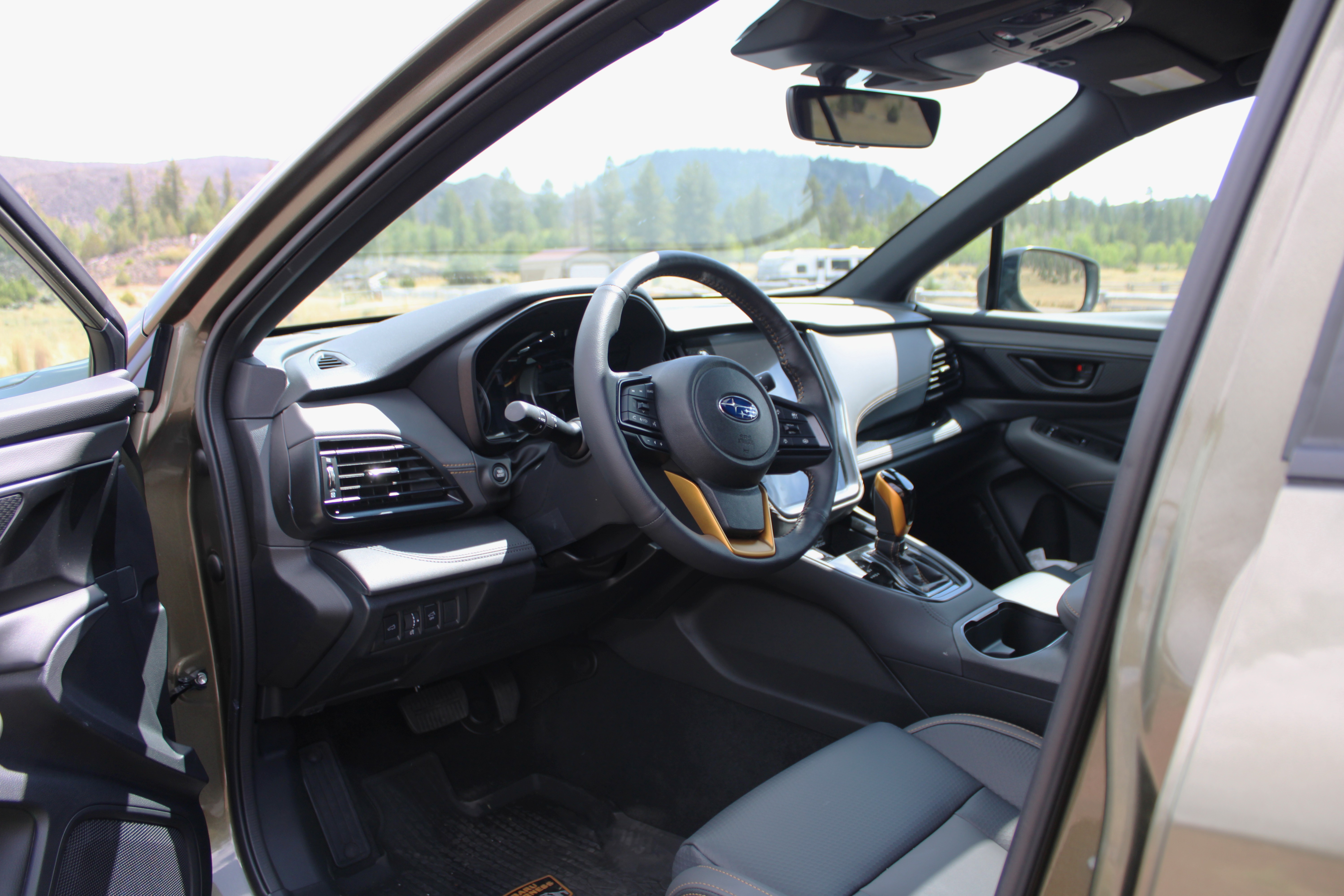
While it can handle the rough stuff outside, the interior of the Outback Wilderness is a nice place to spend time. Everything is laid out well and is of decent quality, though the door pull on the driver’s door did flex sometimes when I went to grab it. The seats, despite the waterproof material, were really comfortable though the seat heaters could use some work. The most noticeable aspect of the interior is the 11.6-inch tablet orientated touch screen. And this brings me to the first downside of the Outback Wilderness.
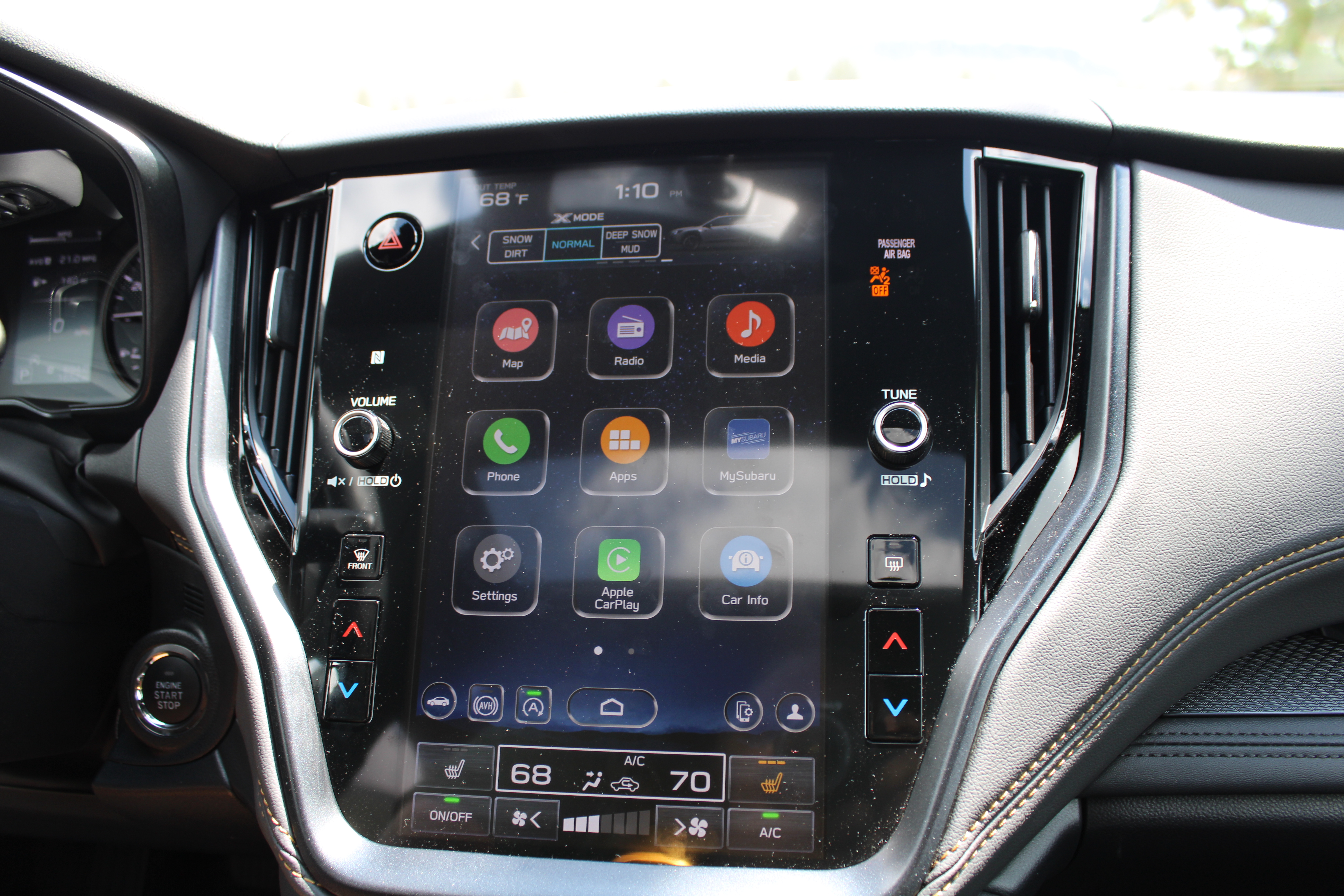
The screen runs Subaru’s Starlink infotainment system and it’s not good. For one, it’s extremely laggy. Often when I went to activate or change something, there would be a delay of seconds before it was executed. The screen’s graphics, especially on things like the nav system, look straight out of 2012; dated as hell.
The powertrain was another annoying downside. Aside from the weirdly weak gas mileage, a turbocharged engine paired with a CVT does not make for good throttle response. Off the line, the flat-four can feel like it doesn’t want to go sometimes, which will cause you to give it a bit more throttle. But doing this will cause a weird surge of power, like you gave it too much throttle. And despite not having any physical gears, the CVT sometimes hunts through the flat-four’s rev band. For what, I’m not certain but it can make for a strange driving experience, especially when you’re just cruising. Subaru needs to give up the CVTs and make a decent eight-speed automatic transmission or something.
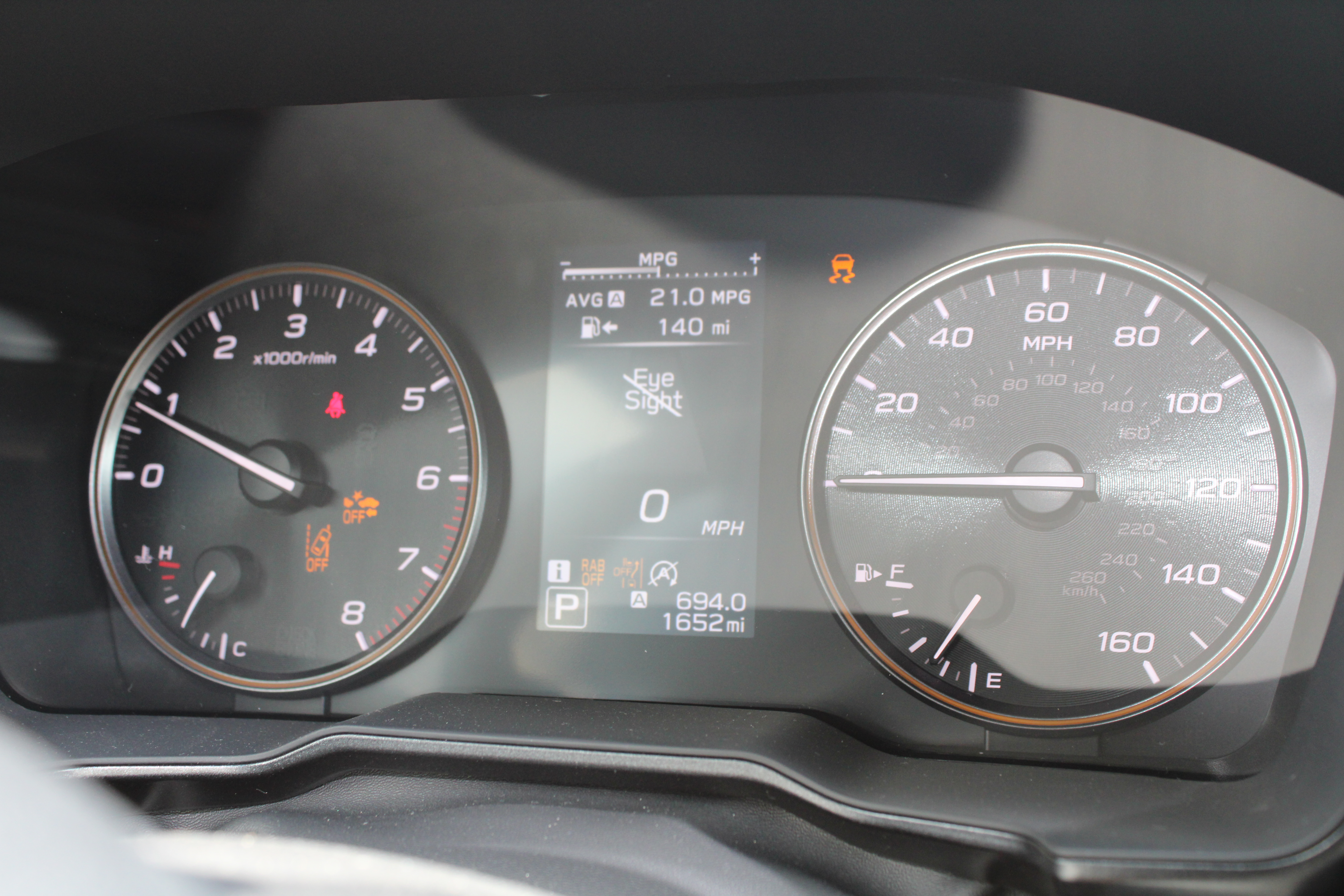
Subaru’s Eyesight is another sore spot for the Outback. A suite of driver safety assistance systems such as automatic emergency braking, pre-collision throttle management and auto emergency steering, the system needs to be recalibrated. It’s way too sensitive. There were a few times that the system thought a car in the opposite lane was coming towards us and nearly activated; the system seems to easily get confused in curves as well. The lane keep assist was another annoyance, so much so that I actually turned it off and left it off during my duration with the Outback. Eyesight’s beeping alert is also distracting and can startle you if you aren’t paying attention. The system also weirdly glitched out on me a few times. When first starting the car, I’d get an error message that Eyesight was disabled, only for it to reactivate a minute or two later or as soon as I’d shift the car into drive.
Even with those annoying downsides, the Outback Wilderness is still a great car. Subaru put way more capability into this thing than any of its buyers would ever need. I’d own one; I’d throw on some aftermarket tires and roof racks and get it really trail ready. The CVT and the mid gas mileage might turn off some, but those are things you’d probably get used to as the miles and years go on. While I didn’t understand it before, I now see why people keep Subarus for years. With the Outback Wilderness, Subaru owners will be able to go farther than they ever have before when the going gets tough and that should be enough to keep owners happy for years to come.
 Daily Revs
Leave a comment